Sensorineural hearing loss

Hearing loss is the partial or complete loss of hearing in one or both ears, ranging from mild to profound. There are many causes, and it can affect anyone at any age.
Untreated hearing loss can negatively affect all aspects of your life.


The symptoms of hearing loss can vary depending on the type of hearing loss, the cause of hearing loss, and the degree of loss.
In general, people who have hearing loss may experience any or all of the following:








All medical aids and all hearing aid brands to ensure our patients get the most comprehensive service possible.
or

Some causes of hearing loss in adults include:


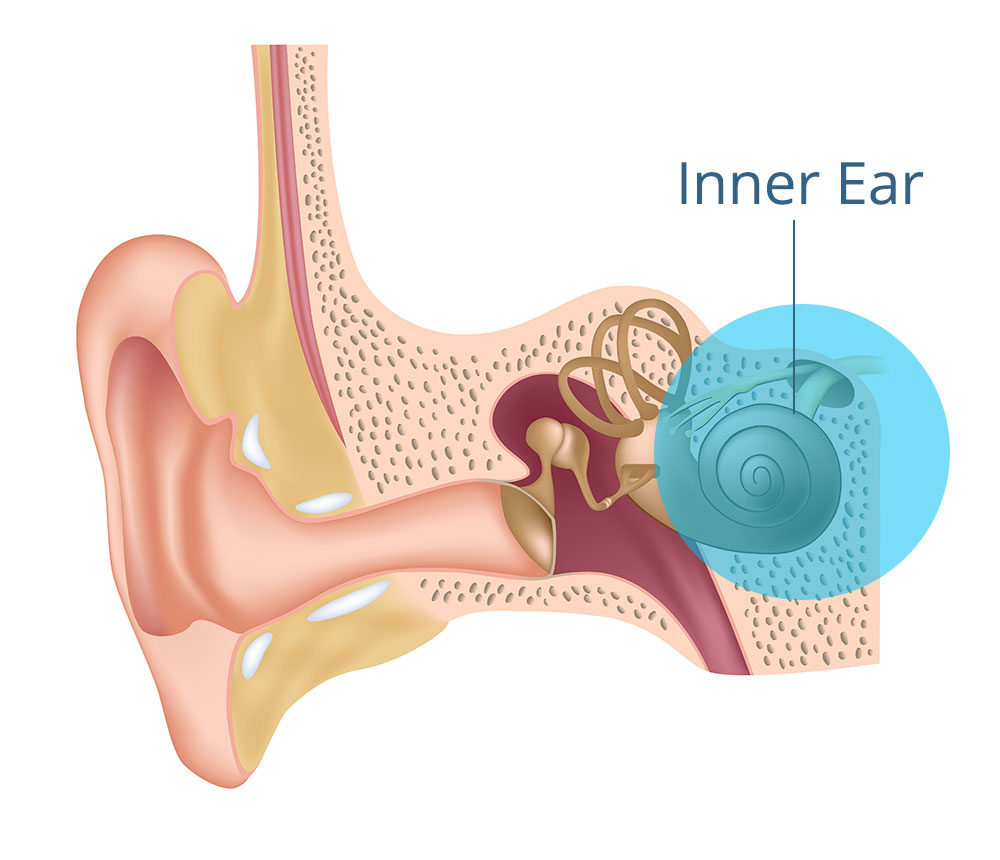
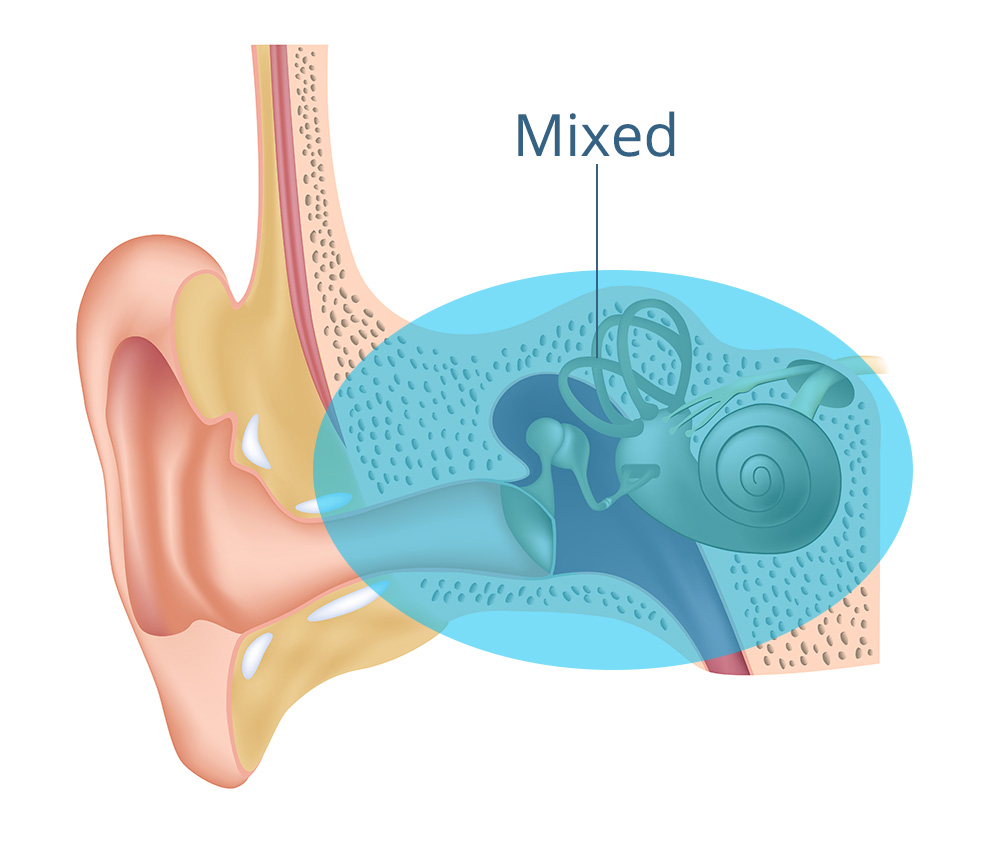
Sensorineural hearing loss (SNHL) is caused by damage to the structures in your inner ear or your auditory nerve. In children, the most common causes of SNHL include inner ear abnormalities, genetic variations, jaundice and viral infection from the mother during pregnancy. In adults, SNHL is most commonly caused by aging, exposure to loud noises, head trauma, or other conditions (see below for more detail). Sensorineural hearing loss is the most common type of hearing loss. It is permanent and caused by many different conditions that damage tiny hair-like cells in the inner ear or the auditory nerve known as cilia. The auditory nerve carries important information about the loudness, pitch and meaning of sounds to the brain. Most adults with hearing loss have a sensorineural loss. Sensorineural hearing loss can often result in difficulty understanding sound or speech even though it is loud enough to hear.

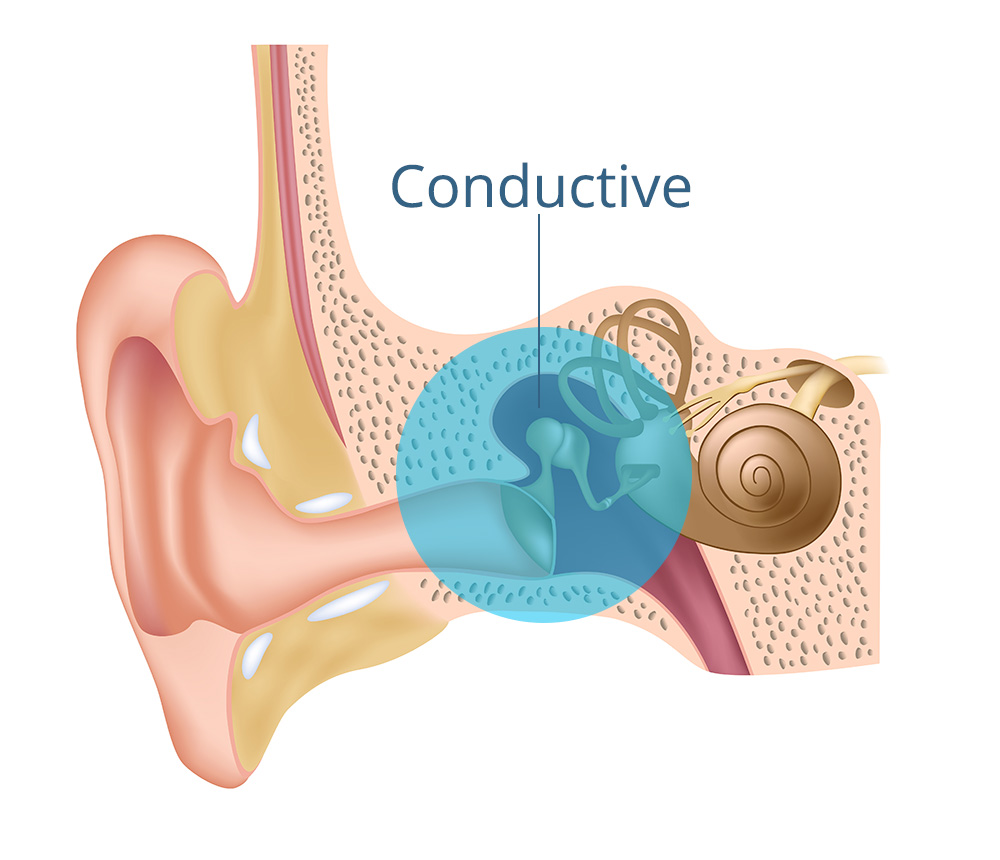
Conductive hearing loss is the result of problems that interfere with the transmission of sound through the ear canal, eardrum or middle ear space. Common reasons for conductive hearing loss include blockage of your ear canal, a hole in your ear drum, problems with three small bones in your ear, or fluid in the space between your ear drum and cochlea. Fortunately, most cases of conductive hearing loss can be improved. It can be permanent, but more often it is temporary and can be medically treated with medication or surgical procedures.

Mixed hearing loss is when a person has both sensorineural and conductive hearing loss. It can be temporary or permanent, depending on what is causing the hearing loss.

Chronic conditions such as High blood pressure, Diabetes, Hypothyroidism, heart diseases, inflammatory arthritis, and Osteoporosis can have an impact on your hearing healthcare. According to a study, hearing loss is twice as common in people with diabetes than in those without this disease. As the resulting hearing loss gradually worsens over time, it can be difficult to notice the symptoms immediately. This could lead to delayed diagnosis and treatment of hearing loss. It is recommended to monitor your hearing sensitivity when you are diagnosed with chronic medical conditions in order to seek prompt treatment and prevent auditory deprivation.

A genetic hearing loss is a hearing loss related to the genes. Gene mutations can cause hearing loss. Genetic factors make some people more susceptible to hearing loss than others. Genes contain the instructions that tell the cells of people’s bodies how to grow and work. There are many genes that are involved in hearing. Sometimes, a gene does not form in the expected manner. This is called a mutation. Some mutations run in families and others do not. If more than one person in a family has hearing loss, it is said to be “familial”. That is, it runs in the family. While many hereditary hearing losses are congenital (present at birth), some of these conditions develop slowly over time. The degree of loss can vary widely from person to person, even those with the same genetic condition.

Acoustic neuroma: An Acoustic Neuroma is a non-cancerous tumor growing directly on the nerve responsible for hearing and balance. The tumor may be initially small but can gradually grow to a bigger size that is more threatening. Tumor-related hearing loss might include tinnitus (ringing in the ears), fulness sensation in one or both ears. It can also cause you to fall to one side. Tumors are usually treated either medically or surgically and normal hearing may or may not be restored.
Head trauma: A traumatic brain injury (TBI), hole in the eardrum, and damage to the middle ear can cause hearing loss. Head trauma can damage inner ear structures causing a temporary or permanent hearing loss. If you sustained a injury to your head and experience any changes in our hearing, visit your audiologist for assessment and further referrals.

Viral and bacterial infections: A lot of infections are linked to hearing loss, though only a few cause permanent damage. Hearing loss from a common cold, which can result in a middle ear infection, is usually temporary. Several other childhood bacterial and viral infections can lead to hearing loss, tinnitus, and balance problems. They include meningitis, congenital cytomegalovirus (CMV), chickenpox, measles, and mumps. Many of these viruses can be prevented through vaccination and your GP is your first port of call when it comes to yours and your family’s immunisation. It’s important to note that if you do fall ill with a virus and then subsequently experience a sudden hearing loss (SSHNL), you should seek an immediate medical assessment as early treatment is vital to prevent permanent hearing problems.

Ménière’s disease is an inner ear hearing disorder that disturbs hearing and balance. The condition can cause vertigo, tinnitus (ringing in the ears), aural fullness and sensorineural hearing loss. Hearing sensitivity usually fluctuate in those with Ménière’s disease but at some point becomes permanent. Ménière’s disease can occur at any age and usually affects one ear.
Symptoms of Ménière’s disease may be due to extra fluid in the inner ear. But it isn’t clear what causes this fluid to build up in the inner ear. Problems that affect the fluid, which might lead to Ménière’s disease, include: poor fluid drainage, autoimmune disorders, viral infection and genetics. Because no single cause has been found, Ménière’s disease likely has a combination of causes.

Noise-induced hearing loss is caused by prolonged exposure to loud noise. The culmination of constant exposure to everyday sounds like traffic, construction work, noisy office environments or loud music can negatively impact your hearing. While noise-induced hearing loss is generally temporary in nature, repeated over-exposure to loud noise makes it harder for the ears to recover between events. The noise damages inner ear hair cells, causing hearing loss to deteriorate over time and become permanent.
Noise-induced hearing loss is largely preventable, and you can significantly lower your risk of hearing loss by limiting exposure to loud noises, using earplugs in noisy environments, and using your headphones wisely. If you participate in activities such as hunting, wear your noise protection otherwise immediate and permanent damage to your hearing will occur.

Otosclerosis is a medical condition that causes conductive hearing loss (involving the middle ear) and makes it harder for tiny bones in the middle ear to move. This condition is more common in women than in men. The symptoms include tinnitus, dizziness, or hearing hissing or roaring sounds. There are three small bones that connect to the ear drum to help amplify sound waves. When someone has Otosclerosis, one of the bones is unable to vibrate freely, making it harder for the tiny bones in the middle ear to move. It causes a conductive hearing loss. This condition is often treated with surgery.

Certain medications can damage the ear, resulting in hearing loss, ringing in the ear, or balance disorders. These drugs are considered ototoxic. There are more than 200 medications and chemicals that are known to cause hearing and balance problems. Some drugs may cause permanent damage and others temporary damage to your hearing. It is important to discuss with your doctor the potential for hearing or balance damage of any drug you are taking or going to take. More often than not, you do not have many options. Treatment with a particular medication may provide the best hope for curing a life-threatening disease or stopping a life-threatening infection. In some instances, exposure to loud noises while taking certain drugs will increase their damaging effects. If you use medications that are linked to hearing loss it is recommended to check your hearing on a regular basis in order to monitor the changes in your hearing sensitivity.

This is a sensorineural hearing loss that happens as you get older. Speech may start to sound muffled or unclear. You may have to ask people to repeat themselves or turn the TV louder to hear it. The most common type of hearing loss is known as age-related hearing loss or presbycusis. This means the gradual loss of hearing that occurs over time. As with other body changes related to aging, hearing loss is a normal—but treatable—part of aging. You may not realize it’s happening until your symptoms become severe or someone else notices you’re having trouble. This type of loss is permanent and usually makes it harder to hear what are known as “high-frequency” sounds, such as children’s voices, birds chirping or the ringing of a telephone.